
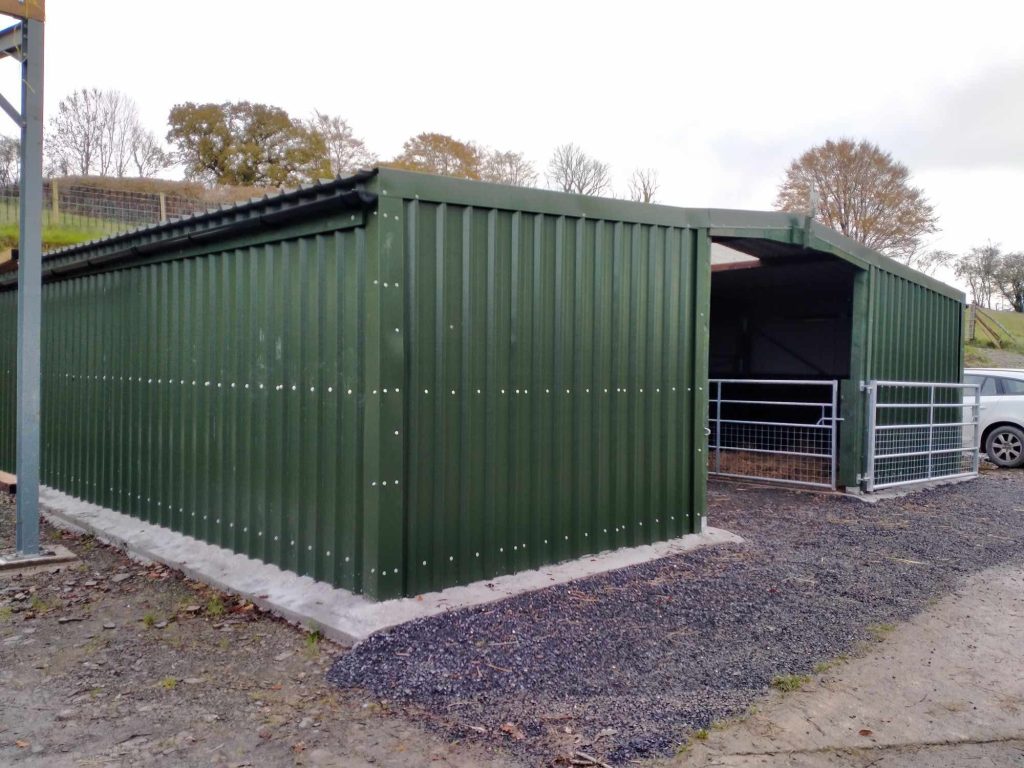
Steel shelters are an investment and should be treated as such. Whether you’ve chosen a metal field shelter for storage or covered garden seating, proper maintenance ensures this performs well for years to come.
This ultimate guide walks you through the recommended seasonal shelter maintenance, to keep your metal shelter in great condition year after year.
Why Does Year-Round Shelter Maintenance Matter?
A well-maintained steel shelter can last for more than 20 years, however neglecting them can cut the lifespan in half. By undertaking regulated maintenance, preventing costly repairs and maintaining structural integrity, you are protecting your investment. Taking a year-round approach to maintenance, ensures problems are caught early, when they are less expensive to fix.
What Should You Do to Your Steel Shelter in Spring?
After months of harsh weather, your shelter needs a reset. Begin with a thorough clean using a soft brush and mild soapy water and pay special attention to corners, joints and roof panels where debris accumulates. As you clean, ensure to look for rust spots, loose bolts, bent panels or any signs of water damage. Catching these early saves you money.
Winter’s freeze-thaw cycles loosen bolts, so work your way around the shelter and tighten every fastener. We recommend applying light machine oil to moving parts to prevent squeaking and corrosion.
Blocked gutters can create standing water so clear leaves and debris thoroughly, then check that downspouts are directing water away from the base. Free-flowing drainage makes a real difference to your shelter’s longevity.
How Do You Protect Your Steel Shelter from Summer Sun and Heat?
The intense UV exposure and higher humidity in summer can cause your shelter’s protective coatings to degrade. We recommend applying a UV coating or metal-safe paint to extend durability and keep your shelter looking good.
Humidity accelerates rust, especially in coastal areas. Make sure air flows freely underneath and around your shelter as stagnant air creates ideal conditions for corrosion. Also, trim back any overhanging branches and climbing plants. They drop debris that damages the roof and traps moisture against the metal, which accelerates rust formation.
What’s the Best Way to Prepare Your Steel Shelter for Winter in Autumn?
Autumn is your last maintenance window before the tough months ahead, and this is when preparation really pays off. Thoroughly clean your shelter, paying special attention to roof surfaces and gutters. Your roof bears the most stress during winter, so clear all debris and check for damaged panels. Even small issues become serious under snow load.
If rust has started forming, ensure to fix it now. Autumn’s mild weather is also perfect for applying a fresh protective coating. Check all your fasteners one more time too, tightening bolts as wind loosens them continuously throughout the year and enusre your frame sits level and square before winter stress arrives.
How Should You Manage Your Steel Shelter During Winter?
Winter weather is demanding, but staying on top of it prevents costly damage. Use a roof rake to clear heavy snow loads regularly. Regular removal prevents stress on the structure and keeps your shelter safe.
If you’re near the coast, salt accelerates corrosion so ensure to use regular fresh water rinses to keep salt from eating into the steel.
Snow and ice melting inside enclosed shelters can create a moisture problem and rust, so keep ventilation clear. In extreme cases, consider adding extra vents to reduce interior moisture that causes rust. For a complete rundown of winter preparation, read our guide on how to winter-proof your steel shelter.
What Tools Do You Need for Shelter Maintenance?
You don’t need much to keep your shelter in good shape. Basic kits should include a soft-bristled brush, mild soap, adjustable wrench set, light machine oil, rust converter, rust-preventative spray, a roof rake and safety gear.
For tougher jobs, we recommend purchasing maintenance products specifically designed for galvanised steel shelters.
What Mistakes Should You Avoid?
A few things will damage your shelter faster than anything else. Don’t use harsh chemicals like bleach, degreasers or abrasive cleaners as they strip the protective galvanised coating. Mild soap and water does the job.
Surface rust spreads quickly, so address it immediately before it penetrates deeper. Loose bolts create stress points that lead to structural issues, so check fasteners quarterly as part of your routine. High-pressure washers damage protective coatings, so use gentle cleaning methods instead. And finally, don’t let drainage fail, blocked gutters are one of the biggest causes of rust and water damage.
Ready to Protect Your Investment?
A year-round maintenance routine doesn’t have to be complicated. A bit of attention each season keeps your shelter looking good and performing well for decades. At Steel Shelters Direct, we’re here to support you every step of the way.
If you have questions about your shelter or need advice on maintenance products, get in touch with our team. Browse our range of steel shelters or explore our blog for more shelter advice.
