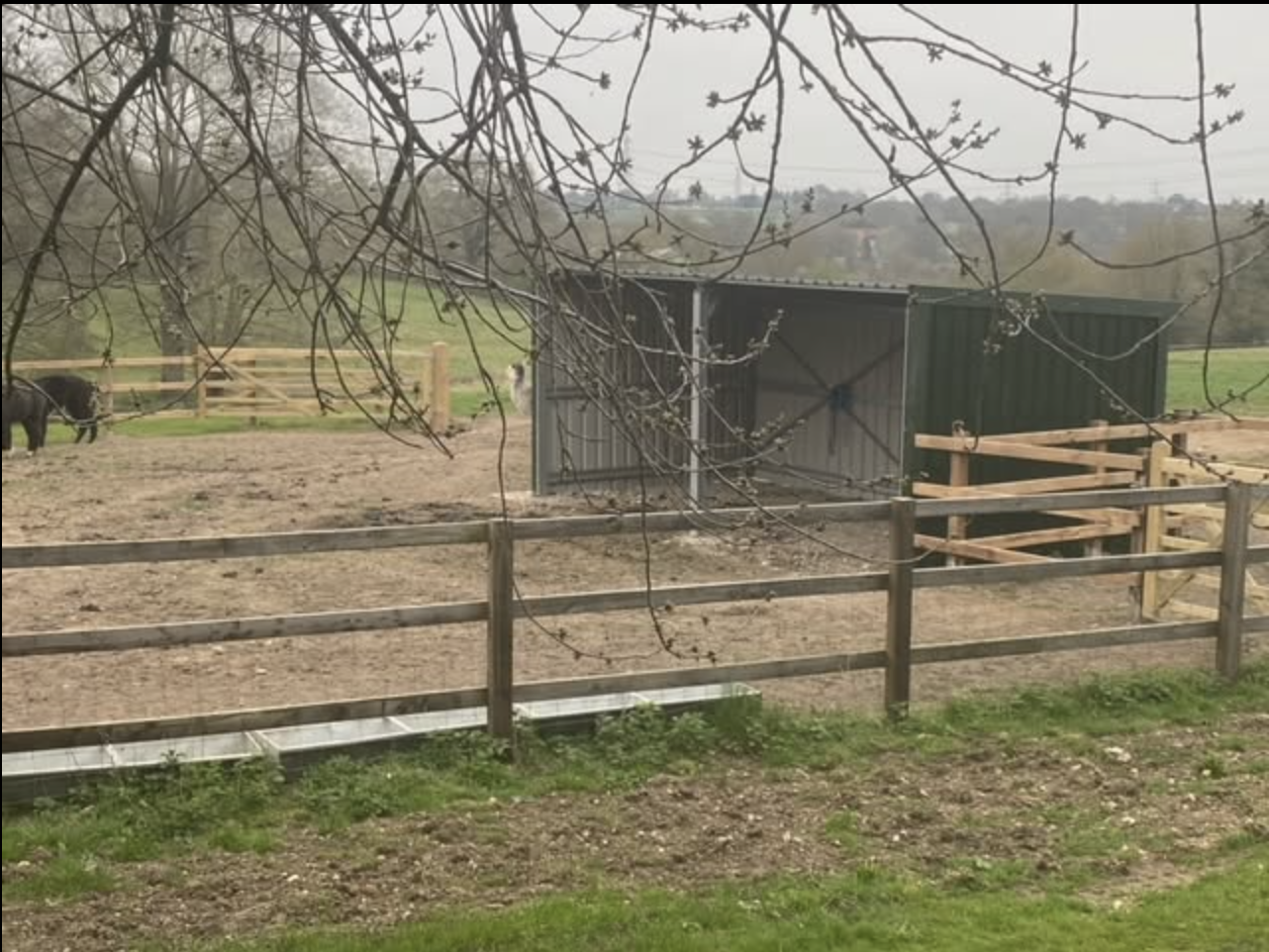
Steel shelters are game-changers in protecting your equipment, livestock, creating outdoor spaces or storing your animal feed. But, rushing into installation without the right preparation can lead to costly setbacks and compromised safety. From checking planning permissions to preparing the site and understanding the necessary tools, there are several key factors to consider before putting your shelter in place.
Here at Steel Shelters Direct, we have helped thousands of customers install steel shelters successfully, from equine facilities to feed storage solutions. This comprehensive guide covers everything you need to know to ensure your steel shelter assembly is straightforward, safe and stress-free.
Do Steel Shelters Require Planning Permission?
One of the most important factors to consider when looking to invest in a metal field shelter is whether planning permission is required. This varies on a range of factors including size, location, permanence and intended use.
You do not need planning permission for your metal field shelter if:
- The structure doesn’t exceed 100m² in size
- It is used for less than 28 days at a time
- It takes up less than 25% of your total site area
If your field shelter does not meet this criteria, you will likely need to apply for planning permission. For more information regarding planning permission rules, read our article ‘Do Field Shelters Require Planning Permission?’
Different councils interpret planning rules in different ways, so we recommend checking with your local planning authority before purchasing your shelter. This is a simple step that can prevent delays.
Preparing Your Concrete Foundation
A solid concrete foundation is essential for a safe, secure steel shelter. This is a crucial first step and the stability of your shelter depends on it, so it is worth taking the time to get it right from the beginning.
You must bolt your metal shelter to the concrete floor or concrete pads. This ensures a level installation therefore preventing movement and protecting your shelter against weather. We include the necessary bolts with your shelter.
With concrete foundations there are two main options. A full concrete pad offers maximum stability and is well suited to permanent installations, especially when you are creating a storage shelter or equine field shelter.
Alternatively, concrete pads at each footing are a more cost-effective solution when setting up a semi-permanent shelter. To install these you will need holes that are 450-600mm in depth at each corner. This option works well with our option skid feature.
The investment in a proper concrete foundation is relatively small compared to the security and longevity you will receive from it.
Tools Required for Steel Shelter Installation
Having the right tools is essential for a smooth installation. You will need:
- Spirit level – Ensures your shelter is level
- Spanner and Ratchet – For tightening bolts and securing components
- Variable speed drill – For drilling holes and driving screws quickly
- Drill adaptor – Provided with the shelter to assist in installing cladding screws
- Hammer drill – Required to fix the bolts into the concrete base securely
- Grinder – May be needed to trim sheets on the gable end, ensuring a perfect fit
If you have any questions about the tools or the installation process, our helpful team is happy to help.
Installation Instructions for your Steel Shelter
One of the key advantages of our steel shelters is they do not require any specialised lifting equipment or previous construction experience for installation. We have designed every shelter with DIY installation in mind, which is why our products are so popular.
However, assembly is a team effort. You will need at least three people to assist with the installation process to ensure safety and efficiency. It is possible with two people, but three people makes the job safer as it distributes weight and allows multiple tasks to happen at once.
All our steel shelters are delivered with clear, easy-to-follow instructions, tailored to your specific shelter type. The components are designed with basic tools in mind, making the process accessible to a wider range of customers.
To assemble, start with inspecting the components to ensure that nothing has been damaged in transit. Next, ensure your concrete foundation is cured and level, this is crucial so spend time on this. Then, carefully position the steel shelter and align with the bolt holes in the concrete. Once aligned, install the bolts to the frame. Finally, attach the roof panels and fit side panels, if necessary.
Additional Tips for Steel Shelter Installation
Skid Feature – Our field shelters also offer an option skid feature. This allows you to easily relocate your shelter without compromising its stability, which is especially popular with customers wanting to relocate their feed storage shelter.
Weather Considerations – Choose a location that offers some protection from prevailing winds and direct sunlight to enhance the shelter’s longevity.
Maintenance – Regularly inspect the shelter for any signs of wear or damage, especially after severe weather conditions. For more information, read our article ‘Best Tips to Manage the Upkeep of your Metal Garden Shelter’.
Expert Steel Shelters Installation with Steel Shelters Direct
Installing a steel shelter doesn’t have to be complicated. With the right preparation, tools and guidance, the process can be smooth and stress-free.
At Steel Shelters Direct, we’re here to help you every step of the way, so you can enjoy a strong, reliable shelter built to last for years to come. Explore our range of steel shelters or get a quote today.